
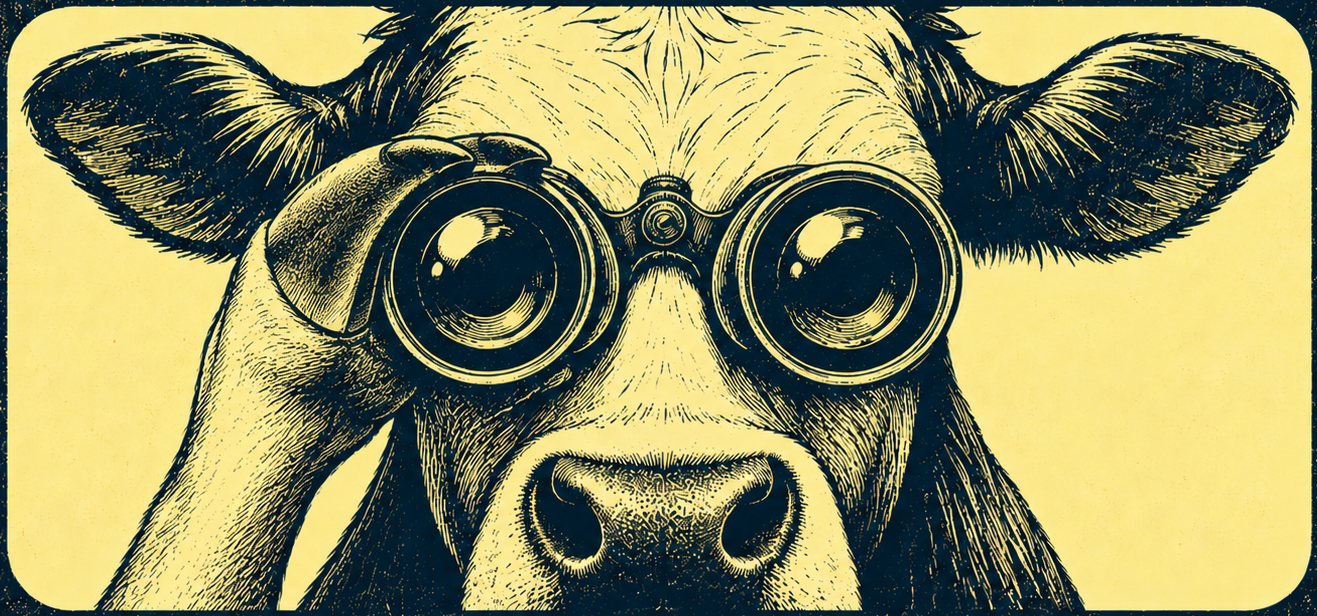

In 2013, Edward Snowden shocked the world. His disclosures revealed that government agencies had built vast systems to monitor digital communications. Almost overnight, the promise of online privacy began to unravel. And yet, in the years since, our phones have become an extension of us—carried everywhere, consulted constantly, trusted with the questions we’d never say out loud.
That intimacy, of course, is also data. How much control do we really have over what we see online? Companies collect and sell vast amounts of personal data to target users with tailored information, even using details like browsing history or location to charge different consumers different prices for the same goods.
Algorithms operating outside public view curate and tailor what reaches us, often on behalf of parties we cannot identify. Narrative travels faster than fact: an MIT study found false stories on social media were about 70 percent more likely to be retweeted than truthful ones, and a peer-reviewed audit of X’s ranking system found that engagement-maximizing algorithms reliably amplify the most emotional and divisive content. As the US grows more polarized, those same algorithms herd users into like-minded communities across Facebook, Twitter, Reddit, and Gab, deepening the echo-chamber effect.
The internet, in other words, isn’t only where we find information. Online spaces also shape how we interpret the world, often without recognizing who is influencing those perceptions or why. And it lines up content that reinforces what we already want to believe.
These dynamics are troubling enough on their own. They become more alarming when powerful institutions intervene in conversations about themselves.
Inside the beef industry’s Digital Command Center
The beef industry has built a system to do exactly that—influence and control the public dialogue about meat. In Denver, industry operatives run a self-described Digital Command Center that the Cattlemen’s Beef Board compares to a cross between “Times Square, a military operations room, and the TV section at Target.” Rows of glowing screens line the walls while analysts scroll through endless media feeds, keeping a close eye on beef’s online reputation.
The board says the operation runs continuously, 24 hours a day, seven days a week and tracks more than 200 topics related to beef, including nutrition, sustainability claims, plant-based alternatives, and animal welfare. The team holds daily briefings to identify stories most likely to harm the industry and plan how to counter them. The center also flags emerging narratives, alerts staff as topics gain traction, and coordinates responses to new studies the industry says contain “false or misinterpreted data that places beef in a negative light.”
Such a sustained operation requires significant funding. The question is: who is paying?
One of the main mechanisms supporting these efforts is the federal beef checkoff program. Created by Congress in 1985, the program requires cattle producers to pay a $1 fee for every head of cattle sold, generating tens of millions of dollars annually for industry promotion and research. The funds are collected under federal law but managed through a producer board and state beef councils, which contract with industry groups, including the National Cattlemen’s Beef Association (NCBA), to run marketing and communications.
Checkoff funds finance advertising campaigns and other efforts aimed at maintaining consumer confidence in beef. In recent years, those activities have expanded to include monitoring online conversations and responding to criticism of beef production. Industry officials acknowledge they are watching. “We monitor the conversation about beef in social and traditional media in real time, minute-by-minute, in beef’s Digital Command Center to see who is talking about beef and what they are saying,” said Daren Williams, director of the issues management program for the NCBA, in a Beef Magazine article.
The article also assures ranchers that the checkoff program is protecting their interests, writing that the “checkoff is at work safeguarding your livelihood from misinformation and misperceptions that can show up in the news and social media.” It also urges producers to respond directly to criticism through letters, social media, or face-to-face conversations by sharing firsthand accounts of how they raise animals and care for the environment. Supporters say this approach allows producers to communicate with consumers independently and explain modern agriculture, while critics argue it helps industry-funded messaging dominate discussions of beef’s impacts.
However, the mere existence of the Denver-based command center shows that the conversation around beef is not simply happening but rather is being closely managed and manipulated
Maintaining a public image at this scale invites closer examination. For many people, a center dedicated to tracking conversations about beef may come as a surprise. Behind it is an operation through which the industry shapes those conversations using funds collected through a federally authorized program. Critics argue the arrangement allows mandatory industry assessments to promote the very industry the program is publicly accountable for overseeing.
Producing beef, manufacturing the story
But the monitoring hub in Denver is just one expression of a broader, decades-long effort by the industry to shape how the public thinks about beef.
That push has intensified asthe beef sector has faced growing scrutiny in recent years.Industry leaders say claims about beef misrepresent its environmental impact, health effects, and animal welfare practices, arguing that much of the coverage is misleading. Scientists, environmental advocates, and public health researchers, however, see things differently. Research has linked beef production to high greenhouse gas emissions (GHG), deforestation, and heavy water use. Health researchers warn that diets high in red meat are associated with increased risks of certain cancers, while animal welfare groups point to the suffering of animals in large-scale industrial farming operations.
Among foods, beef is widely considered one of the most emissions intensive. A 2024 study of the beef supply chain estimates that producing a pound of boneless beef in the US generates about 15 pounds of CO₂-equivalent emissions, roughly equivalent to driving an average car 40 miles. A major study led by researchers at the University of Oxford similarly found that beef produces far higher GHG emissions than other meats, while even lower-impact animal products such as chicken and eggs produce substantially more than plant proteins like soy and legumes.
Industry reporting often captures only part of that footprint. Beef sector groups frequently report emissions from activities they control, such as farm operations and processing facilities, while excluding “Scope 3 emissions,” framing their climate impact without accounting for indirect emissions generated across the broader supply chain. These include feed production, land-use change, transportation, and livestock emissions, which often make up the largest share of a company’s total emissions.
This selective accounting reflects a consistent pattern of strategic framing, where statistics are used to shape how the industry’s environmental impact is presented. When those same claims appear in consumer-facing marketing, however, they can face scrutiny under consumer protection laws.In several high-profile cases, such representations have been challenged in court.
One of these cases put Tyson Foods in hot water. In 2024, the Environmental Working Group filed a lawsuit against Tyson, arguing that the company’s “net-zero by 2050” pledge and “climate-smart” beef branding misled consumers, both because Tyson lacked a credible plan to meet the target and because it had not measured the full scope of its emissions. This failure highlights a fundamental contradiction: emissions cannot be meaningfully reduced without first being measured.
Another case involved a Beef Checkoff–funded campaign claiming consumers could combat climate change by buying beef and that cattle grazing “captures and stores so much carbon it’s the equivalent of taking almost 6 billion cars off the road each year.” A striking comparison, considering the US had only about 285 million registered vehicles as of 2023. This claim was later challenged by the Animal Legal Defense Fund, which argued it misrepresented beef’s environmental impact. In 2025, the group filed a Freedom of Information Act lawsuit seeking records on the US Department of Agriculture’s role in reviewing or approving the promotion.
The case remains ongoing as of 2026.
The rest of Big Beef’s playbook
But the legal fight is only part of the story. Even as some of Big Beef’s claims face growing legal scrutiny in greenwashing cases, its messaging continues to shape how the public understands beef. Responses to criticism are rarely ad hoc, but part of coordinated campaigns aimed at shaping how beef production is perceived, including communications that extend beyond formal marketing efforts.
One way this plays out is through simplified messaging that reduces complex debates to short, memorable claims. NCBA representatives and pro-industry commentators frequently describe beef as “real” or “natural,” while labeling plant-based or lab-grown products as “fake meat” or “inferior imitations.” Promotions emphasize beef’s simplicity and contrast it with the longer ingredient lists in many meat alternatives. These communications rarely engage with detailed comparisons of health impacts and instead present the choice as a simple binary between “real, natural beef” and “fake, ultra-processed substitutes,” often accompanied by dismissive rhetoric toward plant-based meats.
This framing has had a measurable impact.
Beyond Meat CEO Ethan Brown says the company’s rapid growth drew a response from established meat interests, pointing to a 2019 campaign by the Center for Consumer Freedom, a group that has previously targeted organizations such as the Humane Society and Mothers Against Drunk Driving. The campaign framed plant-based products as processed and chemical laden, asking consumers, “What’s hiding in your plant-based meat?” Survey data suggest this messaging may have influenced public attitudes. According to the Food Industry Association, more than 50 percent of consumers considered plant-based meat healthy in 2020, a figure that fell to 38 percent by 2022.
The industry also advances its message through celebrity endorsements, expert voices, and op-eds that appear independent. One example dates back to the 1990s, when the campaign “Beef. It’s What’s for Dinner” featured celebrity narrators including James Garner, Cybill Shepherd, Larry Bird, Robert Mitchum, and later Matthew McConaughey, reinforcing beef’s rugged, all-American appeal.
More recently, the NCBA worked with contributors whose opinion pieces appeared independent, including celebrity chef Lamar Moore and Dr. Tryon Wickersham, an associate professor of animal nutrition at Texas A&M University, to produce content promoting beef. Moore’s piece in LA Weekly opened with the line, “Recently, beef has been portrayed as a bad actor in the fight against climate change,” before arguing that beef is both sustainable and central to cooking. Dr. Wickersham’s piece, titled “Eat That Burger!”, was unavailable online at the time of this writing. Each article reached more than two million readers.
Such collaborations blur the line between independent commentary and coordinated corporate messaging, yet they are only a small part of a wider strategy to influence public understanding of beef.
What consumers don’t see
For consumers, this framework remains hidden from view. Operations like the Digital Command Center exist outside the general public’s awareness, and the extent to which they shape what people see and believe remains unclear. What is evident, however, is that substantial resources are devoted to these efforts.
The beef checkoff program operates with an annual budget of roughly $42 million, including $9.4 million in fiscal year 2023 for promotional programs such as advertising, digital media, and public relations. The NCBA reports that its national advertising reaches consumers over 920 million times annually, helping to “keep beef top of mind.” In contrast, journalists and independent researchers investigating the industry often operate with far smaller staffs, budgets, and distribution networks, creating an uneven communications landscape around how beef production is presented to the public.
If this dynamic feels familiar, it is. Big Beef’s approach closely resembles methods long associated with the tobacco industry, including aggressive public relations campaigns, front groups, myth-busting messaging, and targeted marketing downplaying health and climate concerns while driving consumption.
Today, it is hard to imagine regulators tolerating a harmful industry such as tobacco operating a round-the-clock digital center devoted to reshaping how cigarettes are perceived. In hindsight, the idea appears untenable, given how well documented tobacco’s past campaigns to minimize health harms have become. Yet the meat and dairy sector uses similar tactics, casting doubt on scientific findings and delaying regulatory action despite growing evidence of harm. The parallels are clear.
The hidden power of counter-messaging
In the current digital media environment, where information travels rapidly and online discourse shapes how complex issues are understood, counter-messaging extends far beyond traditional marketing. Such messaging moves through industry organizations, producer networks, trade publications, and social media campaigns, amplifying the industry’s preferred framing. For consumers navigating debates about sustainability, public health, and animal welfare that influence presents a significant challenge.
The long-term effects of these monitoring and messaging systems remain uncertain. As industry groups adopt increasingly sophisticated tools to track online conversations and manage their image, questions about transparency, accountability, and the limits of corporate influence are becoming harder to ignore. For now, these efforts largely operate within existing law, in a regulatory gray area, even when supported by government-authorized funds. Whether they will continue to receive such limited scrutiny remains an open question.
Right now, consumers may be surrendering more than their data. They may also be ceding a measure of independence as their perceptions are shaped by a constant stream of institutional messaging. In the case of beef, the messaging never stops. And if an industry is confident in its claims, why does it need to manage its image around the clock?